

The Flats Buyers Still Want: Victorian Charm, Sensible Service Charges

A beautiful mansion flat. A well-run building. A service charge that makes sense. A recent article in The Times highlights the combination buyers still value—and it is precisely what Bovellan is built around.
In Why don’t flats sell any more?, published on 14 October 2026, The Times examines the pressures facing the leasehold flat market. But beyond the headline is an important distinction: some flats remain highly desirable, particularly those in well-managed historic buildings.
Nina Harrison of buying agency Haringtons UK singles out the appeal of:
“A beautiful purpose-built mansion flat, with sensible service charges, a well-run building and a clean lease…”
At Bovellan, we could hardly have put it better ourselves. That combination captures the standard we work towards: preserving the appeal of exceptional buildings while making their day-to-day management reassuring, transparent and financially sensible.
Victorian mansion blocks are not a sideline for us. They are our specialism. Our business is dedicated to London’s Victorian and period residential buildings, rather than treating them as just another category in a general property management portfolio. Frederick Wallace, Managing Director, Bovellan
Buyers are buying into a building—not just a flat
The figures reported by The Times illustrate the challenge. According to TwentyCi data cited in the article, only 41 per cent of flats listed between July and September 2026 had gone under offer, compared with 57.3 per cent of houses.
But the article does not simply divide the market into desirable houses and undesirable flats. It identifies a distinction within the leasehold flat market itself: professionally managed, mortgageable buildings on one side; escalating costs, building-safety uncertainty and poor management on the other.
Our reading is straightforward. Buyers need confidence in more than the apartment they can see.
A beautifully refurbished kitchen cannot explain whether the roof has been maintained. Freshly painted communal hallways do not demonstrate that the reserve fund is adequate. An attractive service charge figure means little without knowing what it covers—and what has been left out.
The questions that matter are practical. What work is likely to be needed? How has it been planned? What money is available? Are problems being resolved, or simply passed from one year’s correspondence into the next?
Good management should provide evidence, not just reassurance.
Sensible service charges are not the same as the lowest service charges
There is a crucial difference between controlling costs and postponing them. Leaving necessary repairs until they become urgent may make one year’s budget look attractive. It does not make the building economical to own. Equally, spending more is not proof of better management. Large projects, unnecessary replacement and poorly considered specifications are not inherently better than carefully targeted repairs.
At Bovellan, our approach is to understand the problem, establish what the building genuinely needs and challenge expenditure that does not add value. We favour appropriately scoped work, suitable specialists and preventative maintenance rather than automatically defaulting to the largest intervention.
For us, a sensible service charge is one that can be explained: what it pays for, why that expenditure is necessary and how the building’s future needs are being addressed.
That includes being honest when investment is required. A Victorian building cannot be maintained indefinitely through optimistic budgeting. The objective is not to promise that bills will never rise. It is to make expenditure better planned, better justified and less vulnerable to avoidable surprises.
Knowing the building: our asset register and condition survey
Proactive management starts with knowing what you are managing.
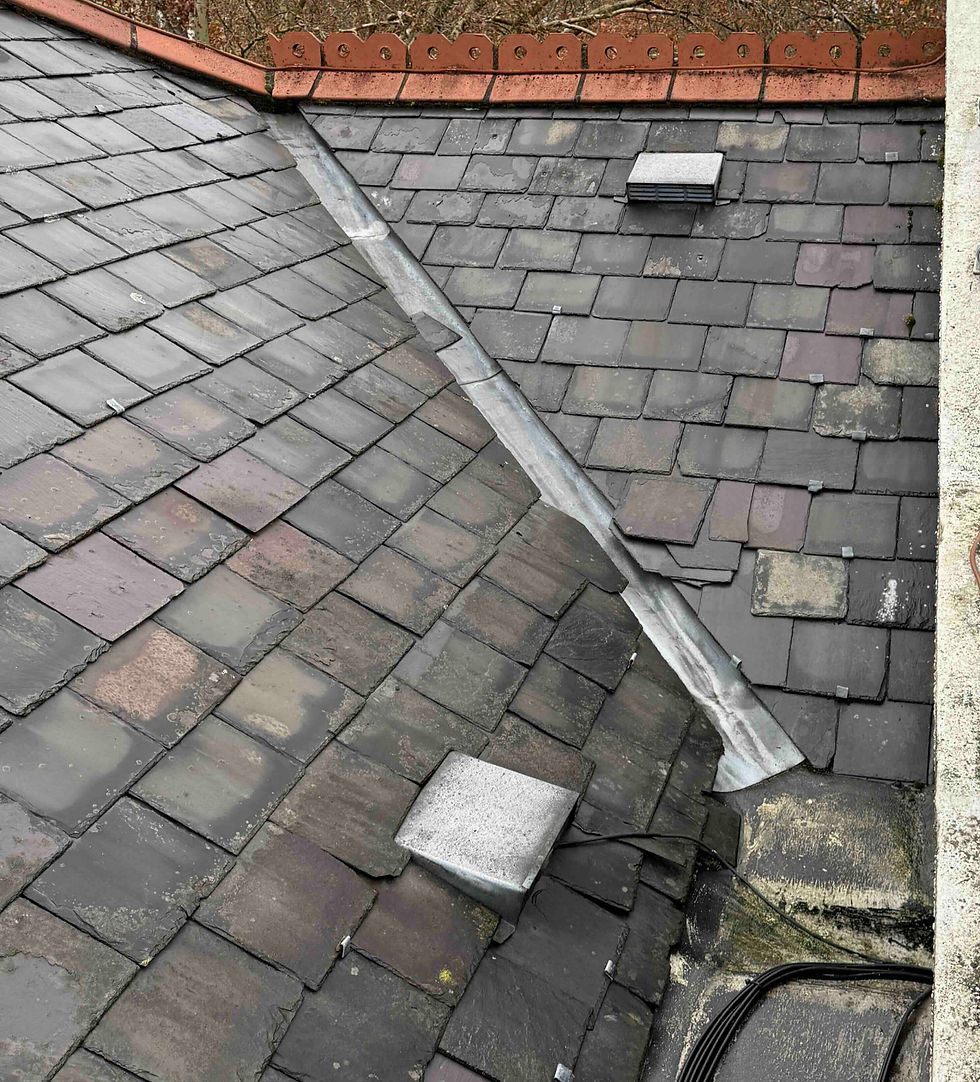
Our asset register and condition-survey approach creates a structured record of the building’s components, their locations, their condition and the attention they require. Roof coverings, gutters, communal doors, drainage and building equipment should not exist in the management record only when something goes wrong.
Inspected assets and identified defects are logged against their location, supported by photographs, condition notes and recommended actions. Follow-up inspections and work undertaken build that record over time. The purpose is not to produce an impressive document that is then filed away. It is to create a working record that informs decisions.
A recurring leak, for example, should become more than a succession of contractor visits and invoices. The record should show where the problem occurs, what has been investigated, what action was taken and whether subsequent inspections indicate that the underlying issue has been resolved.
Crucially, the findings feed into forward planning. Understanding condition helps us prioritise maintenance, assess when repairs or replacement may be needed and develop indicative future costs. Those estimates can then inform discussions about budgets, reserves and the sequencing of works.
Where a finding requires specialist investigation, that becomes the next action—not an assumption.
The aim is to move from “we will deal with it when it fails” to “we understand its condition, we are monitoring it, and we have a plan”.
Victorian buildings need more than generic management
Part of a mansion block flat’s appeal is the building itself. Looking after it requires an understanding of the fabric behind the façade: traditional masonry, timber windows, roof details, rainwater systems and the alterations accumulated over generations.
Our approach to period buildings places particular importance on understanding the cause of defects and considering appropriate repair before unnecessary replacement. Preserving character and controlling expenditure should not be competing ambitions. Informed maintenance can serve both.
That specialist focus is supported by a deliberately manageable portfolio and direct access to senior expertise. We want the person managing a building to know it—not merely recognise its name when an email arrives.
Transparency should extend beyond the boardroom
A well-run building should be understandable to the people who live in it and pay for its upkeep.
Our view is that relevant, non-confidential information should not be confined to a small circle of directors. Residents should be able to understand the priorities for their building, why work is proposed, how decisions are reached and what progress is being made.
That does not mean overwhelming everyone with technical reports. It means making information useful: clear explanations, an intelligible financial picture and a record of actions that people can follow.
Bovellan’s resident-led approach includes communication tailored to each building, through arrangements such as newsletters, resident meetings and site surgeries. The objective is an informed community, not a well-maintained information barrier.
What good management looks like
Good management cannot determine a flat’s market price or guarantee a sale. It can, however, address avoidable uncertainty about how the building is being run.
For us, that is the significance of the distinction highlighted by The Times. The appeal of a mansion flat is not simply its architecture. It is the prospect of owning a beautiful home in a building whose upkeep is being handled properly.
Victorian character brings buyers to the door. Good management gives them reasons to feel confident about what lies beyond it.
That is Bovellan’s focus: specialist care, sensible expenditure and a clear plan for the building’s future.
To discuss the management of your Victorian mansion block, contact Bovellan on 0203 835 5858 or at info@bovellan.co.uk to arrange a complimentary management review


Comments